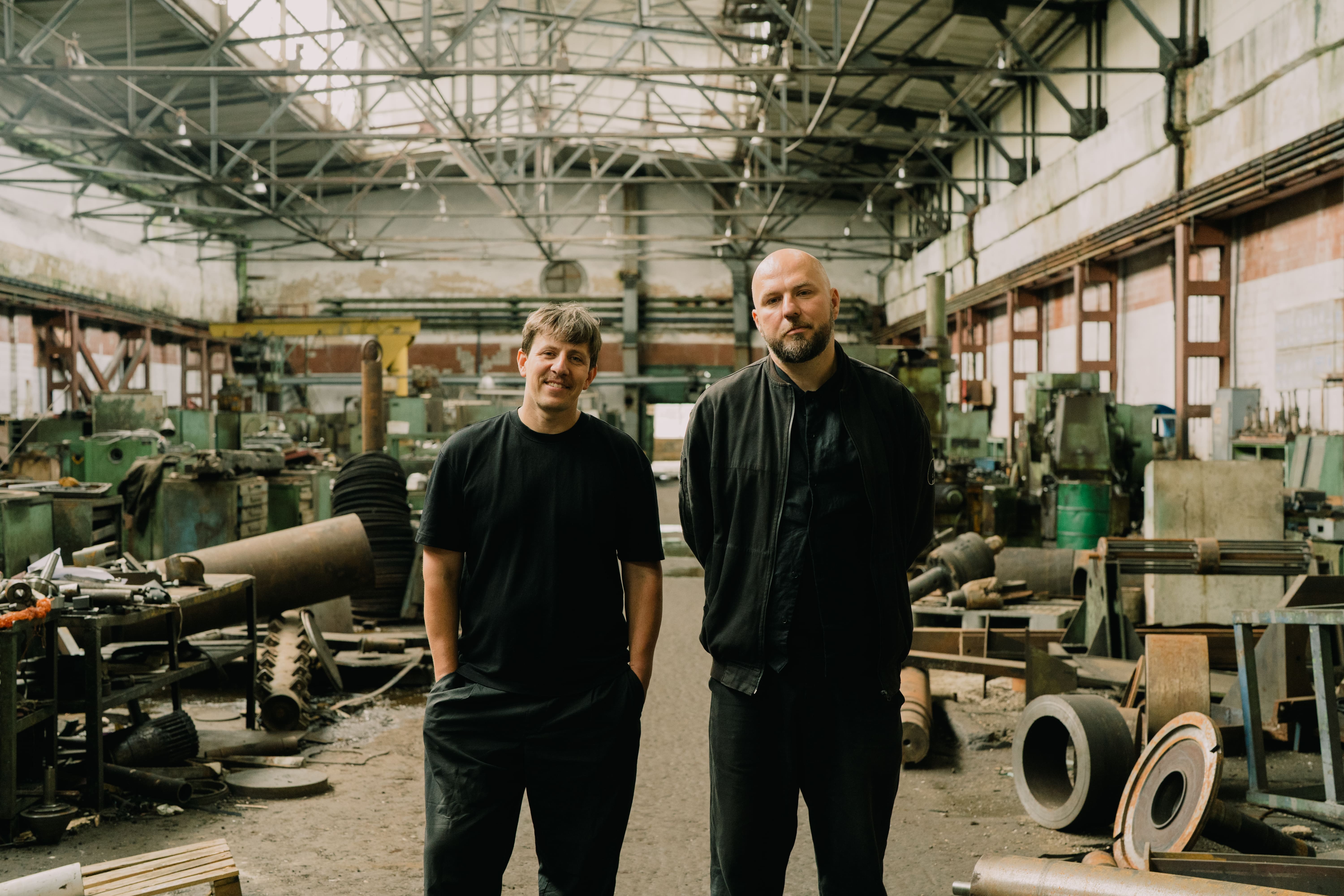
At sixteen came the first underground electronic music parties. Then the first records and the first attempts at playing music themselves. What followed was more than twenty years of history: industrial spaces opened to music for the first time, the Insanitus and Tundra festivals, the legendary Prisukamas Abrikosas parties, the success of the Lizdas club, and today, AUDRA – the country’s largest contemporary music and city festival. Behind all of these experiences are their creators, key figures and shapers of Lithuania’s nightlife scene, Mantas Pakeltis–Pakas and Žilvinas Širka–Roads.
After asking them what makes a good party, they both smile before giving almost the same answer: an interesting space, quality music and a community you love. All three will come together once again at AUDRA, taking place from 3 to 6 September.
Do you remember the moment when you realised electronic music in Lithuania was no longer just a subculture for a small circle of people, but was becoming a broader cultural phenomenon?
Mantas: We realised it when one of the parties we used to organise in bars – Prisukamas Abrikosas – transformed into a huge event in Kaunas, unlike anything else in the country. At the time, we did not really believe in ourselves and had no idea how many people would come, but every time the crowd grew bigger. That was when we understood this was no longer a kids playground – we were entering a different stage.
Prisukamas Abrikosas became more than a party series – it had its own character, a recognisable atmosphere and a community. How does an identity like that come into being?
Mantas: I remember explaining to the scenographers and technicians working on Prisukamas Abrikosas that the lighting should not only point at the DJs – it also had to illuminate the dance floor and the scenography. Today that sounds obvious, but back then it really was not. People noticed that atmosphere and all those carefully considered details.
A rave is a broad concept made up of many different elements. You cannot really create a great party in a bar. The true effect of electronic music only appears when you have the right sound system and a group of like-minded people gathered together.
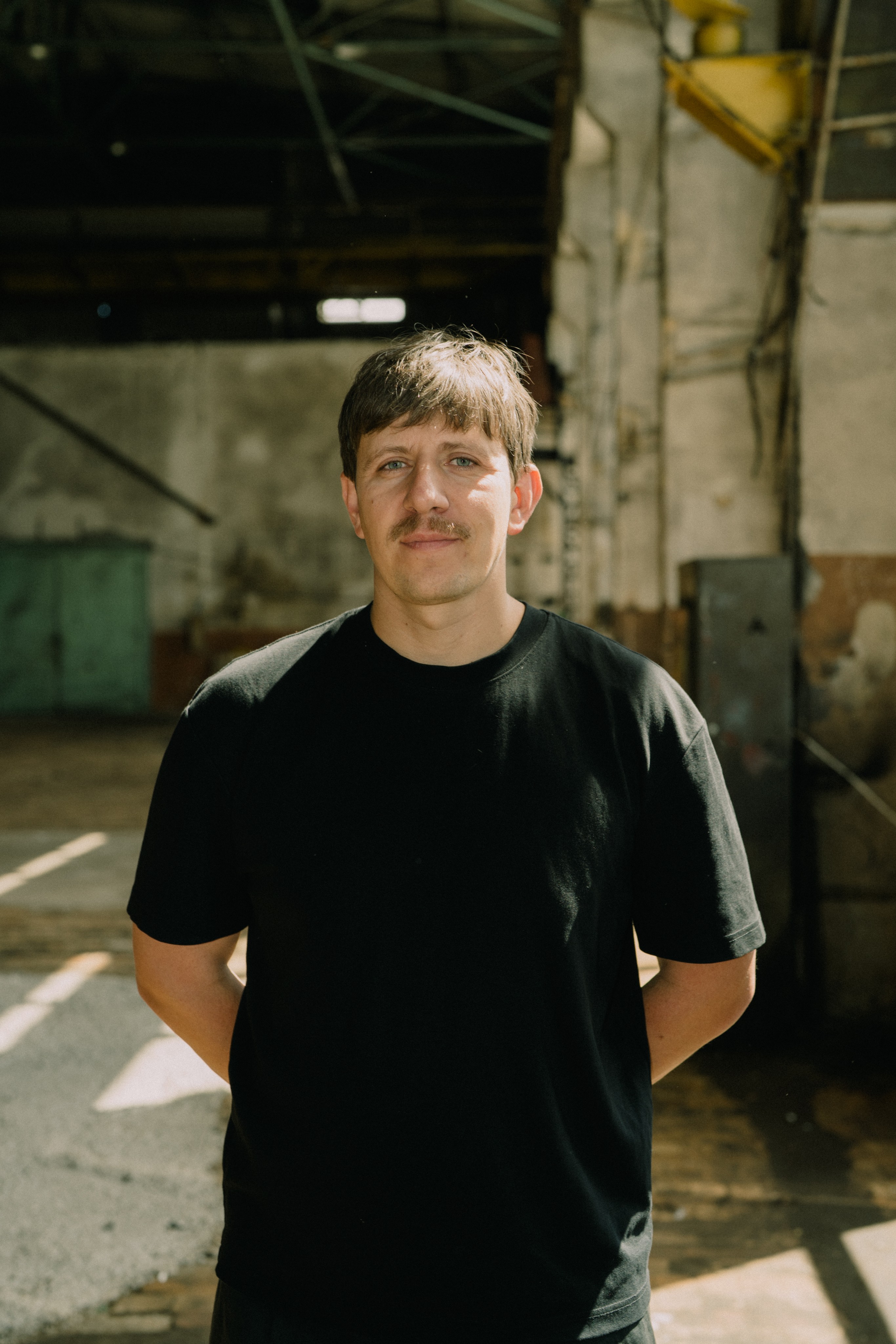
Later, you founded the club Lizdas. I imagine that meant thinking not only about the music, but also about the community and the space itself. What kind of place did you want to create in the city? What was missing at the time?
Mantas: I am not sure exactly what was missing. It just felt like there was very little of anything in Kaunas at the time. We did not have many financial resources, and we ended up with a kind of space where, today, you would probably go bankrupt immediately – people have now experienced real quality and real aesthetics.
Before that, we had organised parties in Kaunas once a month. Suddenly, we had to put them on twice a week. It took us quite a while to understand what we had actually created.
Then, in early 2020, the activations and transformations connected to Kaunas – European Capital of Culture 2022 – began. Naturally, their team drew us into that momentum and flow of events. From 2022 onwards, we became AUDRA, and it continues to this day.
Looking at AUDRA today, electronic music seems to occupy a completely different position in Lithuania. What has changed the most over those twenty years – the audience, artists’ attitudes, party culture or the spaces themselves?
Žilvinas: I once heard someone say that over time electronic music and DJ culture acquired a kind of rock’n’roll status. It started in beer-soaked bars in exactly the same way and then moved into much bigger waters.
At Lizdas, we booked great artists – Sara Landry, I Hate Models, DVS1 and many others played there. I remember a hundred people barely fitting into a thirty-something-square-metre space, but the shows still happened. Today those same artists play stadiums for tens of thousands of people. They grew enormously in a very short period of time, and that also says something about how electronic music itself has changed – from the underground to the top of the charts. In a way, it also reflects the progress of our society.
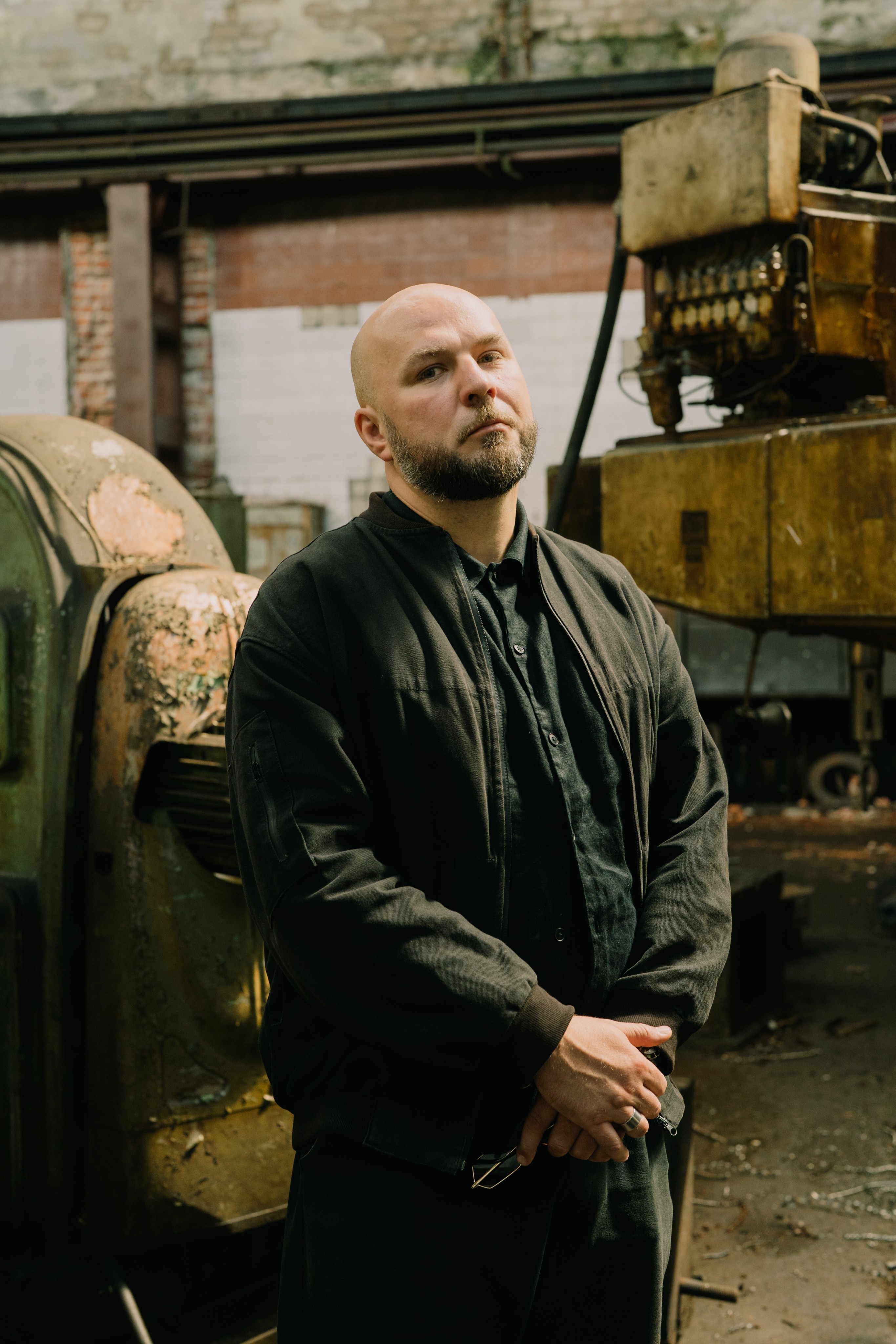
From the very beginning, AUDRA has been strongly associated with unexpected industrial spaces around the city. Why do these kinds of places feel so right for electronic music?
Mantas: It is simply our taste. Someone else might think a festival like this belongs in an arena. During lockdown, we started thinking about what kind of festival we wanted to create, and it felt important to show Kaunas, its strengths and its beauty – the real city people live in, rather than a polished version of it.
For me, a techno or house party begins at the entrance – at the moment you step into another world, into a space governed by its own rules. We want to create an experience for visitors from beginning to end.
Žilvinas: The same instrument, the same music, can sound completely different in different spaces because your mindset, your emotional state and the atmosphere all change. That is why working with architecture is so interesting to us – we are learning ourselves and discovering new things all the time.
After twenty years in the scene, what does a good party mean to you today?
Mantas: For me, the definition of a good party starts with a good sound. You immediately notice when it is bad, no matter how beautiful the music itself might be.
Interesting spaces are essential too. Either you need organisers with an architectural sensibility or architects capable of thinking through layout, logistics, comfort and spaces for people to meet and talk.
Then you need good artists – not only new names, but also artists people already know, want to hear and are excited to see. And alongside that, you need things that are a little harder to digest – art, for example – so that when people leave, they feel full in every possible sense.
Žilvinas: If there were one perfectly clear formula, we would simply use it every time. But the most important feature of a good party is having the right people there – curious, open-minded people.
I hope every dancer comes, hears their track and discovers that new sound, that direction the DJ wants to lead them towards. I hope people expand their musical horizons.
At AUDRA, we are not trying to satisfy the audience’s existing wants or needs. We test their limits. We never make the same festival twice – every year, people not only take part in the festival’s transformation, but transform themselves along the way.
By Ieva Klimaitė